Begin below the finish
A new floor cannot reliably correct an unsuitable base. Ask the installer to assess flatness, stability, contamination and moisture using the methods appropriate to the proposed system. “Looks dry” is not a moisture test. Old adhesive residues, loose boards or uneven screeds can change both preparation cost and product suitability.
Establish who is responsible for the substrate and who signs off readiness to install. Where several trades share the work, a clear handover matters. Otherwise the flooring installer may arrive to a base that nobody has allowed enough time or money to repair.
Understand timber and laminate limits
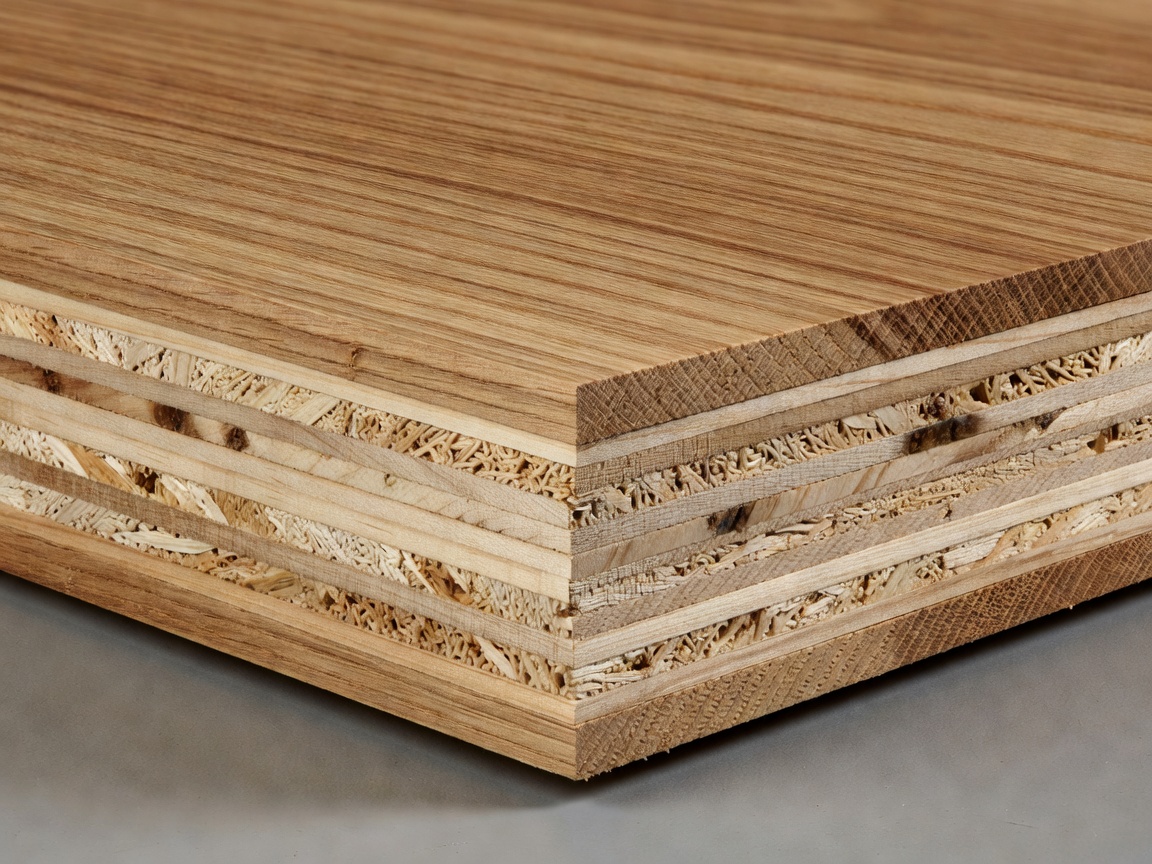
Engineered timber has a real wood face over a layered core. Its construction can improve dimensional stability compared with some solid timber applications, but it is not immune to moisture or movement. Ask about permitted installation methods, acclimatisation, operating conditions and the thickness of the wear layer. Not every product can be sanded repeatedly.
Laminate usually offers a printed decorative layer and a hard-wearing surface. Its water resistance varies by product and installation detail. A water-resistant claim does not automatically make it suitable for a shower room or persistent leakage. Check the actual warranty conditions, including perimeter sealing, joints and cleaning methods.
Do not confuse waterproof material with waterproof construction
Resilient flooring and porcelain may tolerate water at the material surface, but the room assembly still includes seams, edges, adhesives and penetrations. Water can reach the substrate through an unresolved junction. Wet rooms need an intentionally designed system, not simply a product described as waterproof.
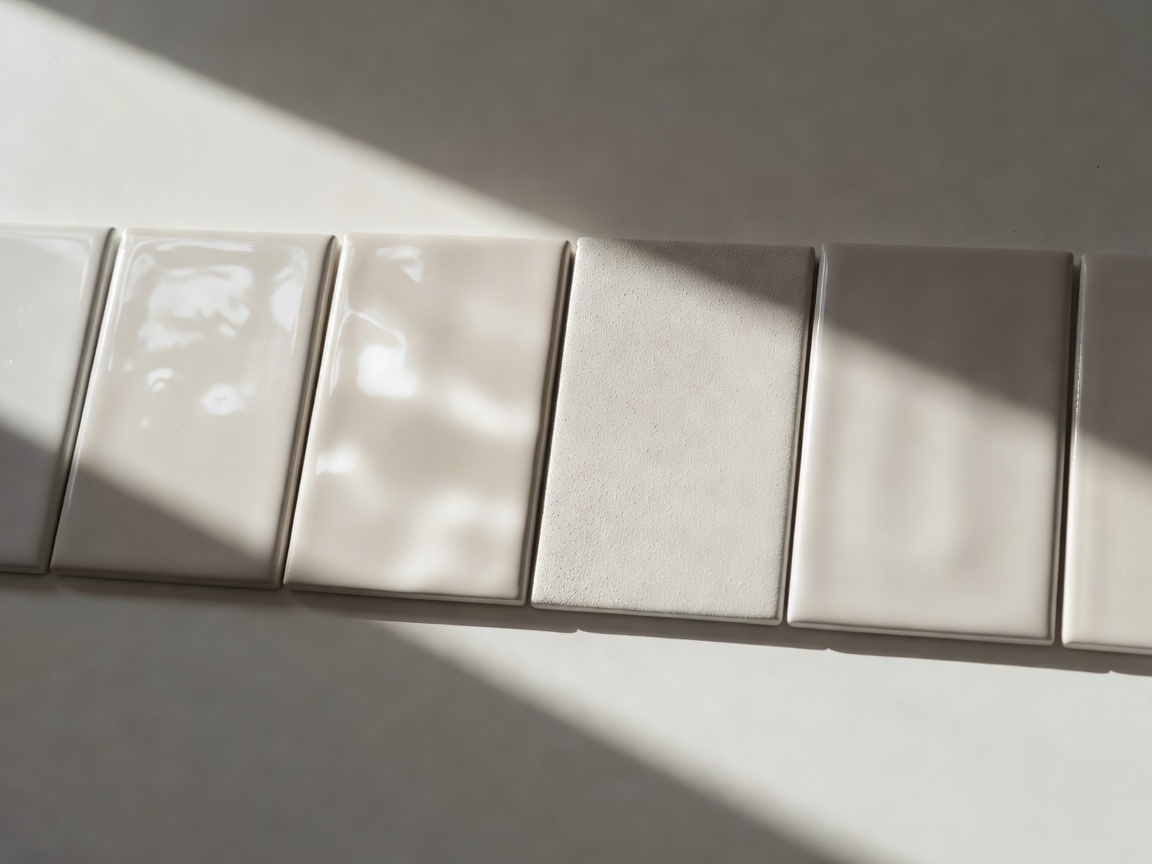
For tile, ask about the support below, movement provision and the suitability of the adhesive and grout. Large-format pieces can increase handling, cutting and preparation demands. Review a physical sample under expected wet and dry conditions, and obtain appropriate slip-performance information rather than judging safety from texture alone.
Choose paint by exposure and preparation
First identify the substrate: plaster, previously painted masonry, timber, metal or another surface. Check that the primer and topcoat are compatible with it and with any existing coating. Remove the cause of damp or recurring mould before specifying decoration. A specialist coating does not replace leak repair or effective moisture management.
Matte finishes can soften glare and disguise some minor surface irregularities, while higher sheen often makes unevenness easier to see. Durability and washability are product properties, not guaranteed by a finish name. Compare the technical data and cleaning guidance for the exact product rather than assuming every eggshell or satin behaves alike.
Test colour where it will live
View generous samples in the actual room, beside flooring, cabinetry and trim. Check them at different times of day and under the intended lamps. A colour can change noticeably with orientation, reflected light and nearby materials. Portable sample boards help you move the comparison without coating several walls with incompatible patches.
For indoor products, examine emissions information and relevant certification. GREENGUARD and Green Seal are examples of programmes you may encounter, but certification must apply to the specific product and claim. Low-emission or low-VOC wording does not mean ventilation and safe handling are unnecessary. Follow the safety data and application instructions.
Resolve edges and upkeep
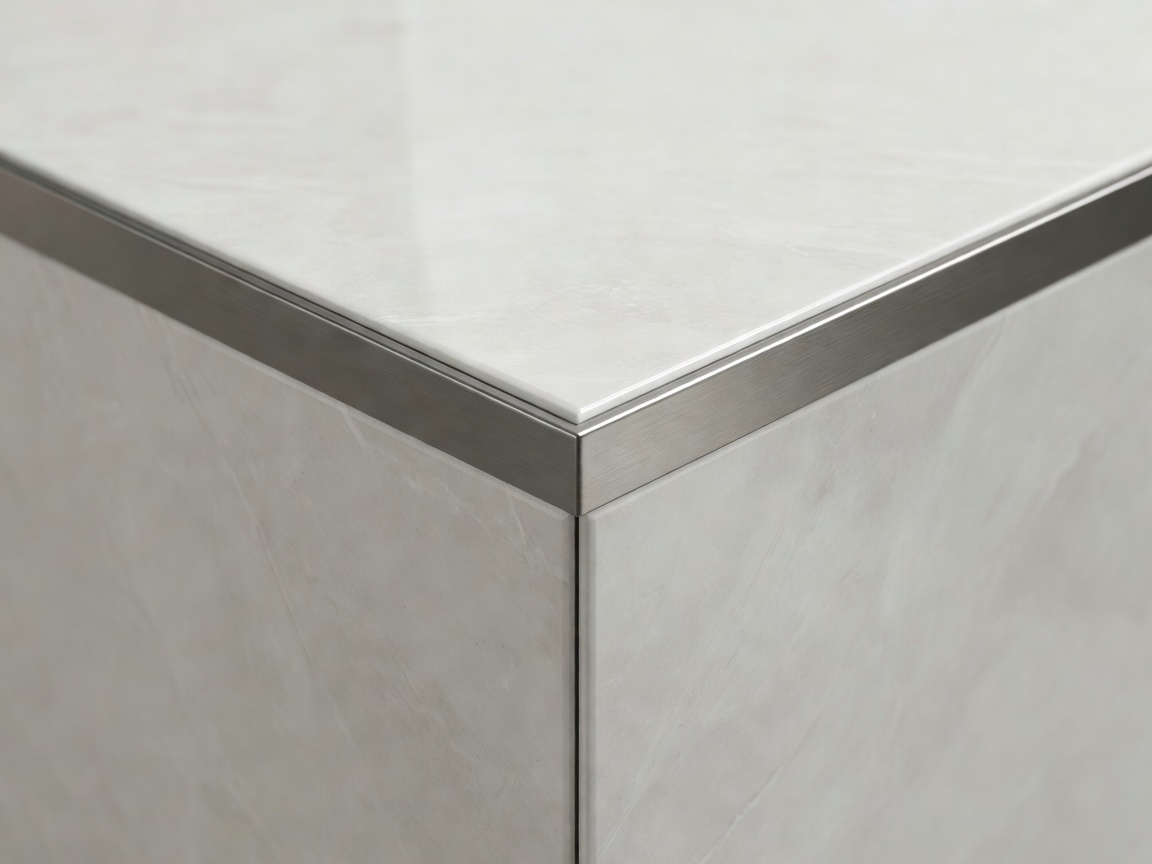
Ask to see the proposed threshold, skirting, tile trim, sealant colour and cabinet junction together. A small change in floor build-up can affect door clearance and adjacent rooms. Specify the direction of boards or tile layout before cutting begins, especially where narrow slivers or awkward transitions would be conspicuous.
Finally, imagine a spill, a scratch and a future repair. Can individual pieces be replaced? Does the finish require resealing or specialist cleaning? Keep product names, batch details, care instructions and an agreed quantity of spare material where practical. The most convincing material choice is one you can maintain without resenting it.